


Sports Cards 101
Share
Sports Cards 101
Sports card collecting is one of the most exciting and accessible hobbies in the world of sports. Whether you’re a lifelong fan, an investor, or just someone who loves the thrill of opening packs, sports cards offer a unique blend of nostalgia, history, and opportunity.
In this guide, we’ll break down everything you need to know—from the history of sports cards to understanding parallels, inserts, and modern collecting trends.
A Brief History of Sports Cards
The Early Days (Late 1800s – Early 1900s)
Sports cards date back to the late 19th century. They were originally included in cigarette packs as stiffeners to protect the packaging. Tobacco companies like Allen & Ginter produced some of the earliest baseball cards in the 1880s.
These early cards are now considered rare and highly valuable pieces of sports history.
The Golden Era (1950s – 1960s)
After World War II, sports cards exploded in popularity. Companies like Topps became industry leaders. The 1952 Topps Mickey Mantle card is one of the most iconic sports cards ever produced and represents the post-war boom of collecting.
During this era, cards were simple:
- Player photo
- Team name
- Basic statistics
- Short bio on the back
Kids traded them in schoolyards, clipped them to bicycle spokes, and stored them in shoeboxes—unaware they were holding future treasures.
The Junk Wax Era (1980s – Early 1990s)
Production skyrocketed in the 1980s and early 1990s. While this era introduced many collectors to the hobby, overproduction made most cards from this time less valuable today.
However, rookie cards of legends like Michael Jordan and Ken Griffey Jr. remain highly sought after.
The Modern Era (Late 1990s – Present)
Manufacturers introduced:
- Serial numbering
- Autographs
- Memorabilia (jersey patches)
- Limited print runs
- Premium designs
Today, companies like Topps and Panini produce high-end products that can cost hundreds—or even thousands—per box.
Understanding the Basics
Before diving deeper, here are key terms every beginner should know:
Base Cards
These are the standard cards that make up the main checklist of a set. They are the foundation of any release.
Rookie Cards (RC)
A player’s first official card issued in a major set. Rookie cards are often the most desirable, especially for star players.
Graded Cards
Professional grading companies (like PSA, BGS, and SGC) evaluate cards based on condition and assign a numeric grade (typically 1–10). Higher grades generally mean higher value.
Types of Sports Cards
Modern collecting includes several special categories. Let’s break them down:
1. Parallels
Parallels are variations of base cards with different colors, finishes, or limited print runs.
Examples:
- Gold Parallel (/50)
- Blue Parallel (/199)
- Red Parallel (/25)
- 1/1 (One-of-One)
Serial-numbered parallels (e.g., “23/50”) are especially desirable because of their limited supply.
Why they matter:
Scarcity drives value. The lower the print run, the rarer the card.
2. Inserts
Insert cards are special themed cards randomly inserted into packs. They are separate from the base set.
Examples:
- All-Star selections
- MVP cards
- Die-cut designs
- Holographic cards
Some inserts are common, while others are case hits (very rare pulls).
3. Autograph Cards (Autos)
These contain certified signatures from players. They can be:
- On-card autographs (signed directly on the card)
- Sticker autographs (signed sticker applied to card)
On-card autos are typically more desirable.
4. Relic or Memorabilia Cards
These include pieces of:
- Game-used jerseys
- Bats
- Footballs
- Patches
Patch cards with multi-color pieces are often more valuable than single-color swatches.
5. Short Prints (SP) and Super Short Prints (SSP)
These are cards intentionally printed in smaller quantities but may not always be serial-numbered.
They often feature:
- Alternate photos
- Special designs
- Image variations
Collectors love the challenge of hunting SPs and SSPs.
6. Case Hits
These are extremely rare cards typically found once per case of product. Examples include:
- Kaboom!
- Downtown
- Color Blast
These cards often become centerpieces in collections.
How to Start Collecting
If you're new, here are a few steps to get started:
1. Choose a Focus
You can collect:
- A specific player
- A team
- A sport
- Rookie cards
- Investment-grade cards
Having a focus helps avoid overspending.
2. Understand the Budget
Hobby boxes can range from $100 to several thousand dollars. Retail packs are cheaper but usually contain fewer premium hits.
Start small and learn the market.
3. Protect Your Cards
Use:
- Penny sleeves
- Top loaders
- Magnetic cases
- Storage boxes
Condition is critical to value.
The Investment Side of Sports Cards
In recent years, sports cards have become alternative investments. High-profile sales of rare cards have reached millions of dollars.
However:
- Not all cards increase in value
- Player performance affects pricing
- Market trends fluctuate
Collect what you enjoy first. Consider investment potential second.
Digital and Modern Trends
The hobby continues to evolve with:
- Online marketplaces (eBay, Whatnot, Fanatics Live)
- Group breaks
- Social media communities
- Digital collectibles and NFTs
The accessibility of information has made pricing more transparent than ever before.
Why People Love Collecting
Sports card collecting offers:
- Nostalgia
- Community
- The thrill of the pull
- Historical connection
- Investment opportunity
It connects generations. Many collectors started as kids and return to the hobby later in life.
Final Thoughts
Sports card collecting is more than cardboard—it’s history, passion, and possibility wrapped into one hobby. Whether you’re chasing a grail rookie card, building a team set, or opening packs for fun, there’s something for everyone.
Start slow. Learn the terminology. Protect your cards. Most importantly—enjoy the journey.
Welcome to the hobby.
🏈 Sports Cards 101: A Beginner’s Guide to Collecting
Sports card collecting is one of the most exciting hobbies in the world of sports. Whether you're in it for nostalgia, the thrill of opening packs, building a personal collection, or even long-term investment, understanding the different types of sports cards is essential.
Let’s break it down in a clean, beginner-friendly way — with visuals and clear explanations.
📜 A Quick History of Sports Cards
The Early Tobacco Era (1880s–1900s)
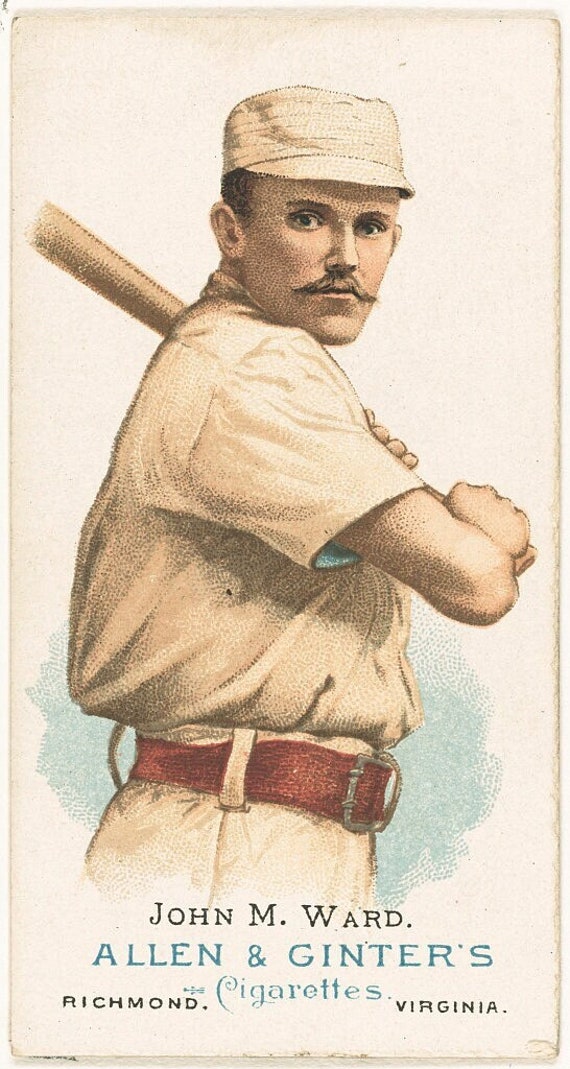
Sports cards began as inserts in cigarette packs in the late 1800s. Companies like Allen & Ginter produced baseball cards to help stiffen packaging.
The legendary 1909 T206 Honus Wagner card remains one of the most valuable sports cards in history.
The Golden Era (1950s–1960s)

Post-war America saw a boom in sports cards. Topps became the dominant brand. Cards featured player photos, stats, and short bios.
Kids traded them at school and stored them in shoeboxes — unknowingly holding future treasures.
The Modern Era (1990s–Present)


Manufacturers introduced:
- Serial numbering
- Autographs
- Jersey patches
- Refractors
- High-end premium products
Today’s cards can be works of art — and sometimes worth thousands.
🃏 Types of Sports Cards Explained
Now let’s clearly separate and explain each type of card you’ll encounter.
1️⃣ Base Cards

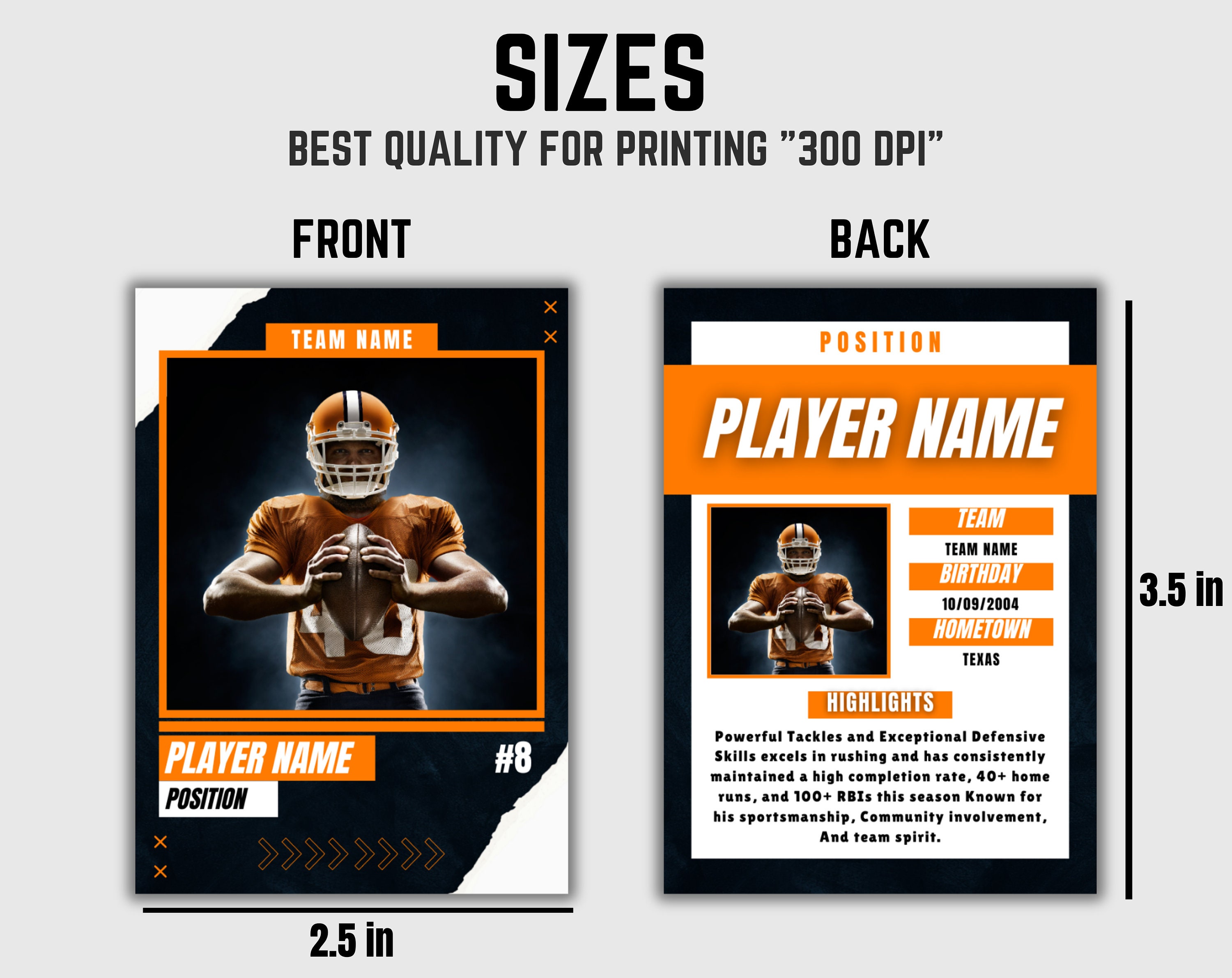
What they are:
The standard cards that make up the main checklist of a product.
Why they matter:
They form the foundation of every set and are often the starting point for new collectors.
Think of them as the backbone of the release.
2️⃣ Rookie Cards (RC)


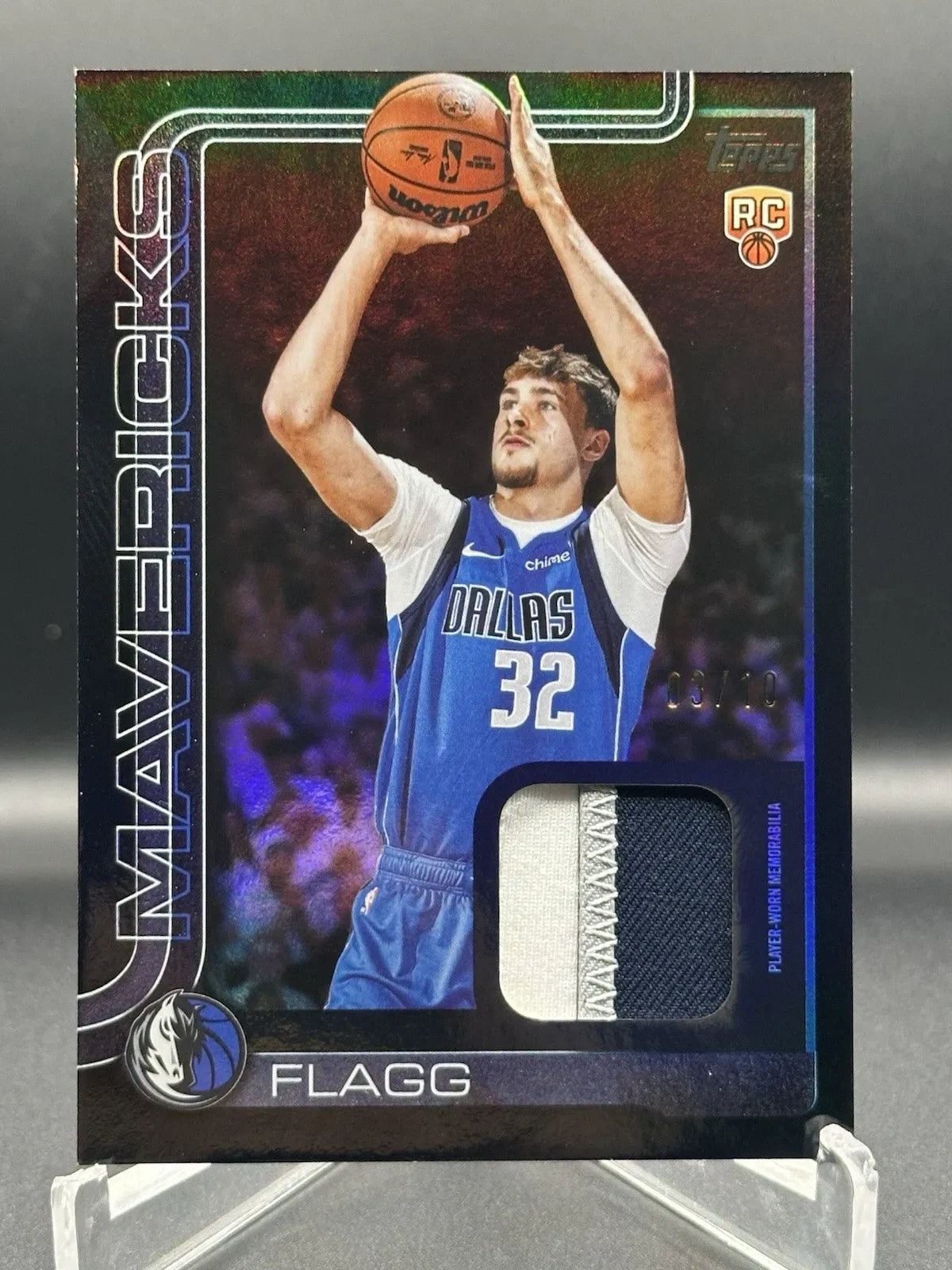
What they are:
A player’s first officially licensed card in a major set.
Why they matter:
Rookie cards are often the most valuable long-term, especially for superstar players.
Collectors love chasing the next big star.
3️⃣ Parallels

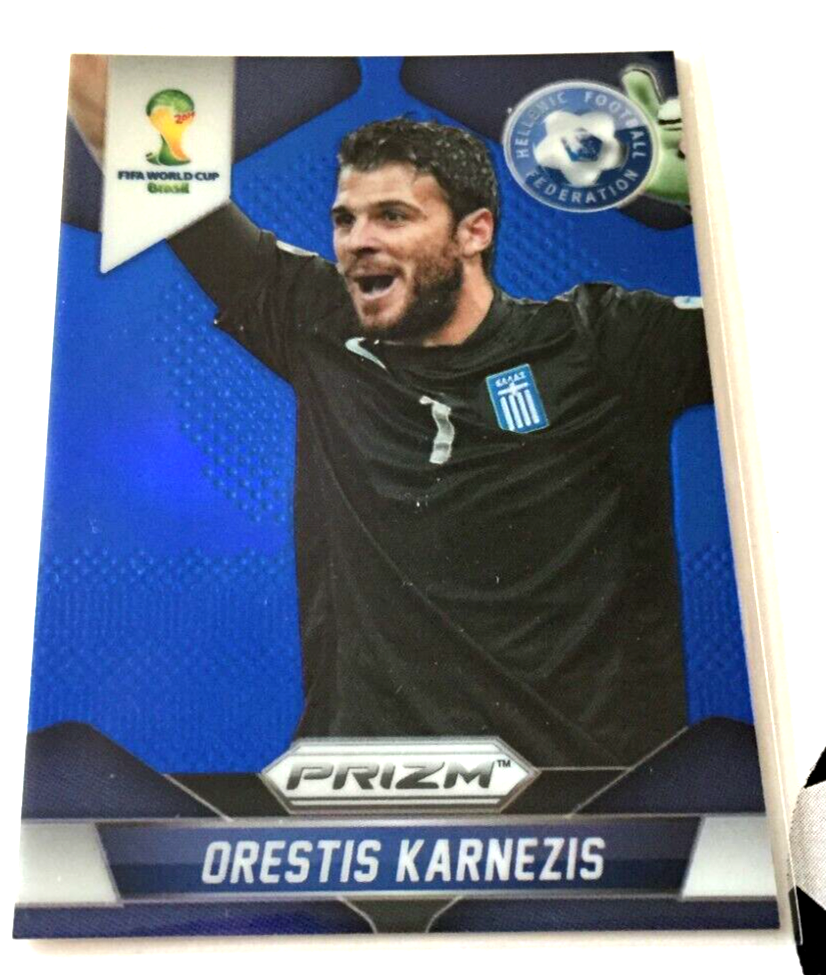
What they are:
Color or design variations of a base card.
Common examples:
- Gold /50
- Blue /199
- Red /25
- 1/1 (One-of-One)
Why they matter:
Scarcity drives value. The lower the serial number, the rarer the card.
Parallels add excitement to pack opening because you never know what color or rarity you’ll hit.
4️⃣ Insert Cards
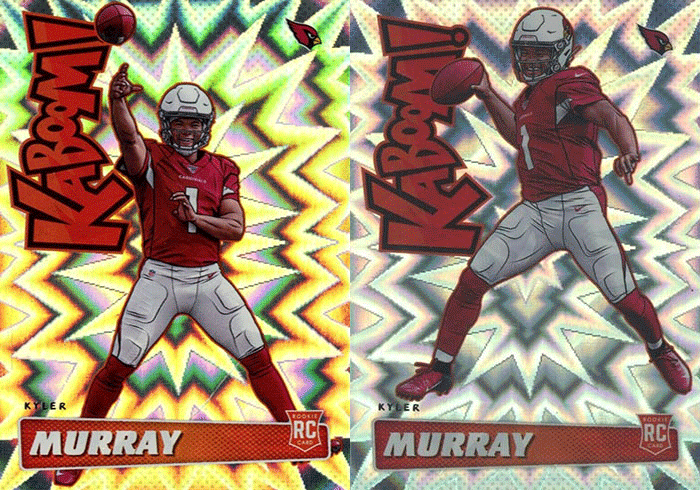
What they are:
Special themed cards inserted randomly into packs.
Examples:
- All-Star teams
- MVP cards
- Die-cut designs
- “Kaboom” or “Downtown” case hits
Why they matter:
They often have unique artwork and lower print runs than base cards.
5️⃣ Autograph Cards (Autos)

What they are:
Cards signed by the athlete.
Types:
- On-card autograph (signed directly on the card)
- Sticker autograph (signed sticker applied to card)
On-card autos are usually more desirable.
6️⃣ Relic & Patch Cards
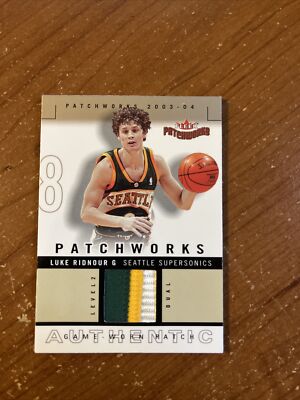
What they are:
Cards containing pieces of:
- Game-used jerseys
- Bats
- Footballs
- Patches
Multi-color patches tend to be more valuable than single-color swatches.
7️⃣ Short Prints (SP) & Super Short Prints (SSP)
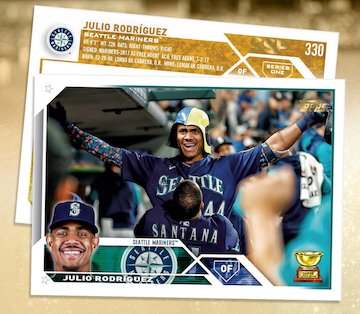
What they are:
Cards printed in smaller quantities but not always serial numbered.
Often feature:
- Alternate images
- Unique photography
- Hidden variations
They add a fun “treasure hunt” element to collecting.
🏆 Graded Cards

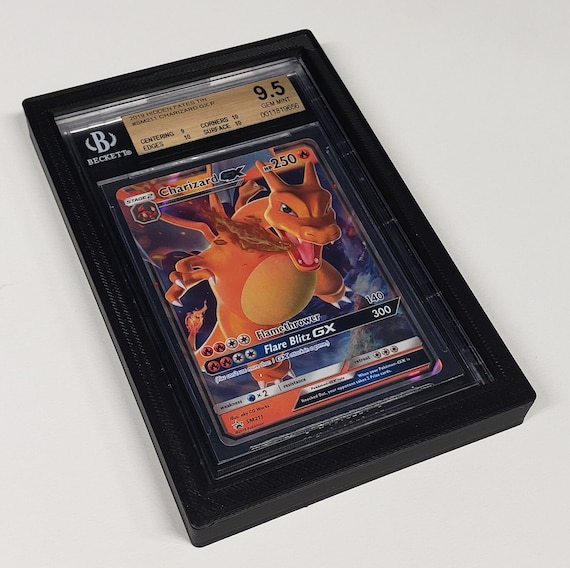
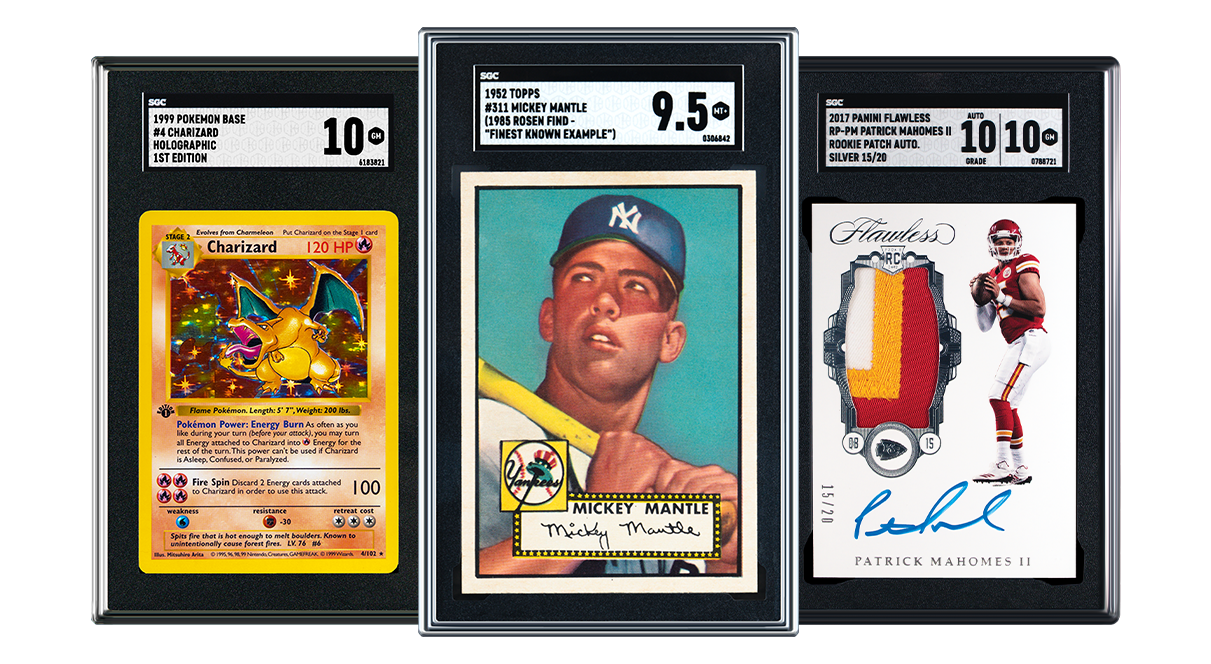
Professional companies evaluate:
- Corners
- Edges
- Centering
- Surface
Cards receive a grade (1–10). A PSA 10 (Gem Mint) can dramatically increase value compared to an ungraded card.